
Your operation works.
But it’s costing you more than it should.
We identify where the real friction lies in your processes and solve it with precise technology—without endless projects or additional teams.
Operational improvement doesn’t start with technology. It starts with understanding exactly where the problem lies.
-
Implicit criteria, constant rework, and dependence on those who “know how it’s done.”
We design decision structures that make the process repeatable and scalable.
-
Data entry, repetitive validations, follow-ups via WhatsApp or Excel.
We automate processes where the impact is immediate.
-
Unreliable metrics, reactive decisions, problems that surface only after they’ve already had a cost.
We structure information so it arrives on time and in the right format.
Do you recognize any of these situations in your company?

Three signs your operation has room for improvement.
Where we step in:
Every intervention starts with understanding the real problem. The tool comes next.
Decision Automation
When a process relies on manual decisions that are repeated in the same way every time, we design lightweight systems that turn that logic into something executable, consistent, and not dependent on a person being available.
Scenario Modeling
When decisions are made “by gut” due to a lack of clarity on which option leads to the best outcome, we model scenarios using your data to make explicit what is currently intuitive: operational planning, resource allocation, and demand forecasting.
AI Operational Agents
When accessing information or executing actions depends on asking, searching, or waiting.
We design agents connected to the tools you already use—inventory, orders, procurement, distributed systems—so information is available when it’s needed.
Selected Experience:
-
![]()
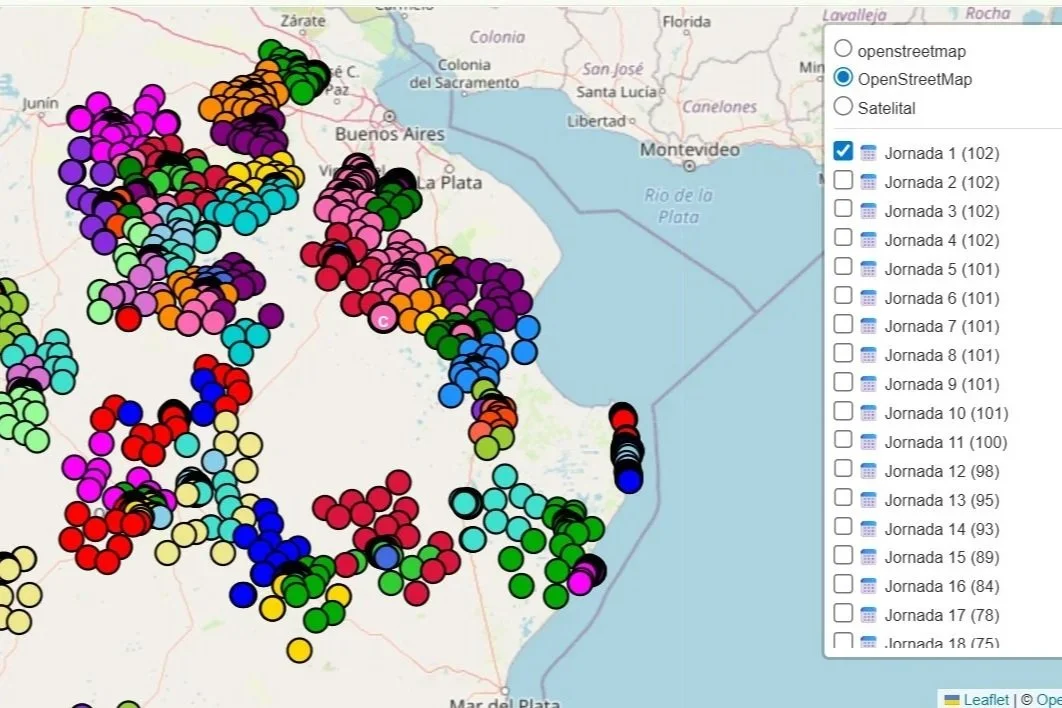
Large-Scale Workforce Allocation Modeling
Design and implementation of an allocation architecture for a highly complex territorial operation, integrating hundreds of resources and thousands of operational units within a structured decision framework.
The model incorporated distance optimization logic, workload balancing, geographic constraints, staged sequencing, and specific operational rules, transforming a manual process into a controlled and replicable system.
The intervention accelerated planning cycles, optimized direct operational costs, and significantly reduced management and coordination friction, strengthening the structural stability of the operation.
-
![]()
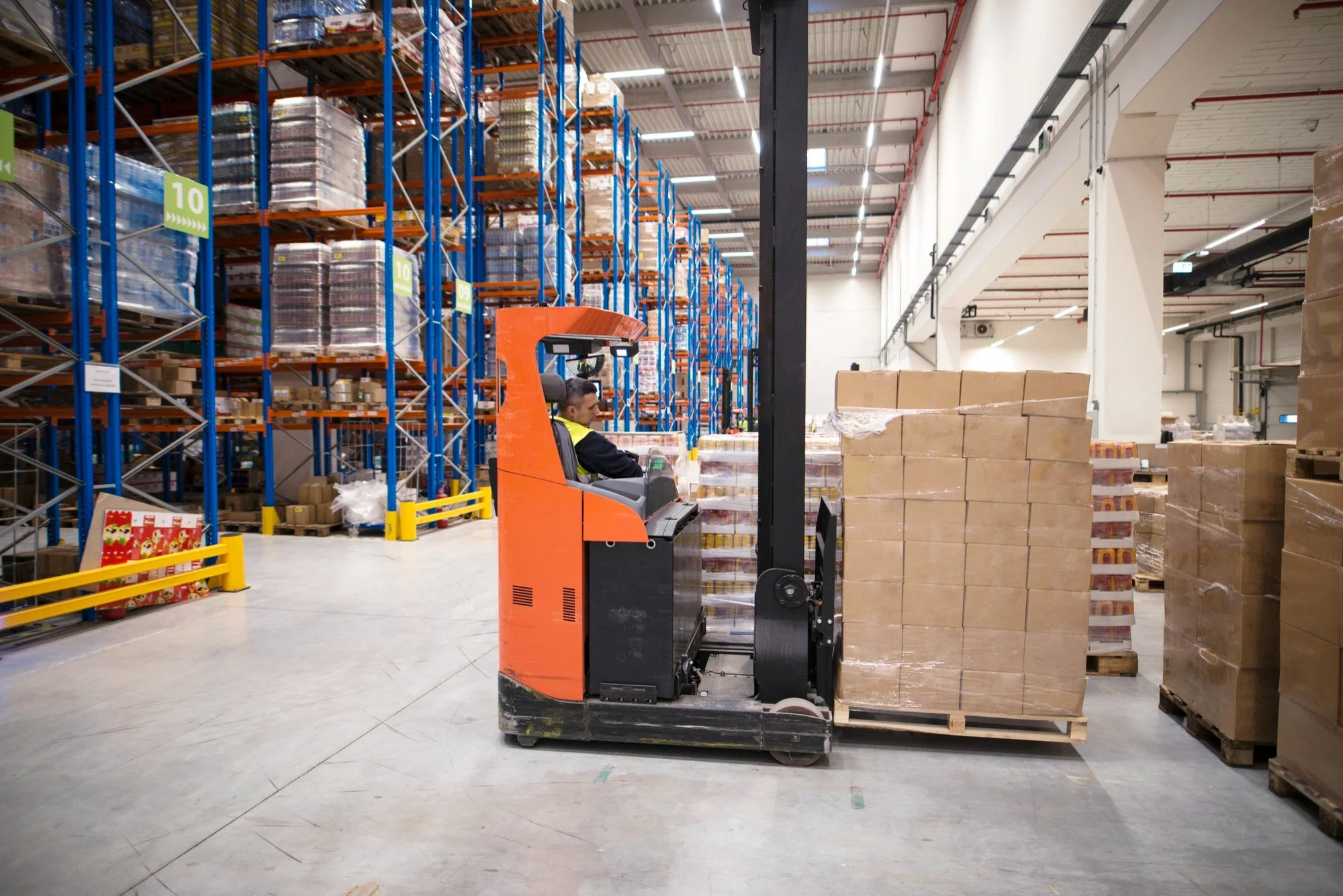
Direct Distribution Optimization Architecture
Design and implementation of a structured decision framework to identify direct dispatch opportunities within a complex distribution network.
The system analyzed shipment patterns, demand volumes, routing logic, and operational constraints to determine when bypassing intermediate distribution layers improved efficiency.
The intervention introduced a repeatable decision model that enhanced distribution flow clarity, reduced unnecessary handling, and optimized direct logistics costs without disrupting operational stability.
-
![Diagrama de vista sistemática de la optimización de la asignación de trabajadores en función del territorio, que incluye elementos como restricciones presupuestarias, análisis de compensación, estrategias de asignación, decisiones deliberadas y opciones de proximidad o paralelización para mejorar la eficiencia y equidad en la distribución del trabajo.]()
Structural Operational Process Redesign
Transformation of informal or fragmented operational processes into structured frameworks for decision, sequencing, and control.
The intervention begins by identifying areas where operations depend on implicit criteria, manual coordination, or unformalized decisions. From there, a clear operational logic is established: explicit rules, defined sequences, and well-delineated responsibilities.
The work integrates:
Clarification of decision flows
Formalization of replicable operational criteria
Structuring of dependencies and critical stages
Elimination of redundancies and unnecessary friction
Simplification of oversight mechanisms
The result is a more coherent operation, less dependent on key individuals, and better prepared to grow
How We Work:
First understand. Then intervene.
-
We begin by mapping the operational structure as it truly functions — not as it is documented.
This includes territory logic, workload distribution, decision dependencies, cost drivers, and real-world constraints that shape execution. -
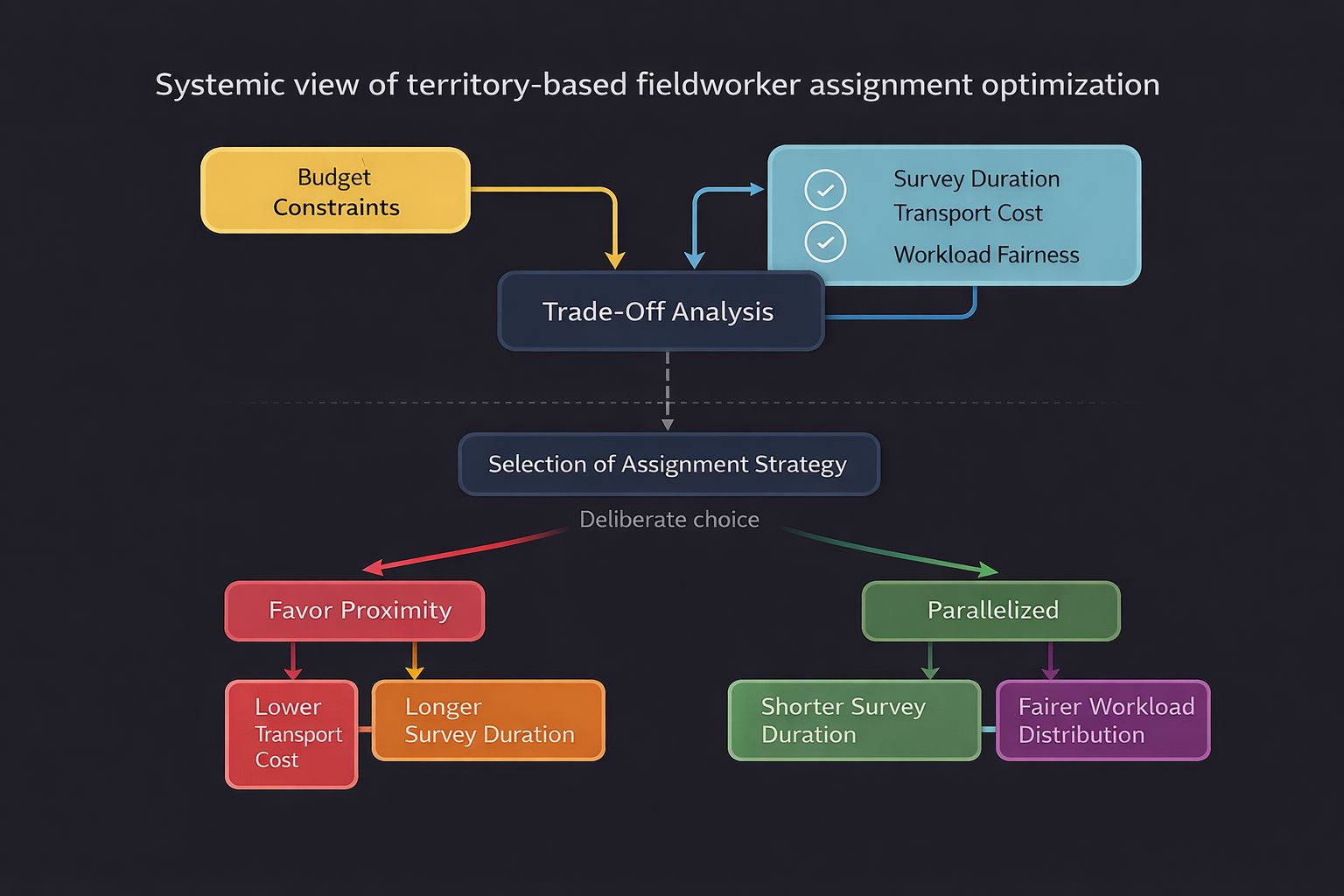
Operational decisions always involve trade-offs.
We formalize allocation rules, distance logic, workload balance, and cost thresholds into structured models that make trade-offs explicit rather than implicit. -
We translate structured logic into decision systems that can be executed consistently.
The goal is not complexity, but clarity: rules, sequences, and responsibilities that reduce ambiguity in daily operations. -
Where needed, we implement lightweight tools — often Python-based — that operationalize the decision logic.
The focus is on usability, repeatability, and integration with existing workflows. -
Structured systems are monitored against operational outcomes.
We review performance, identify deviations, and refine decision parameters to ensure stability as conditions evolve.